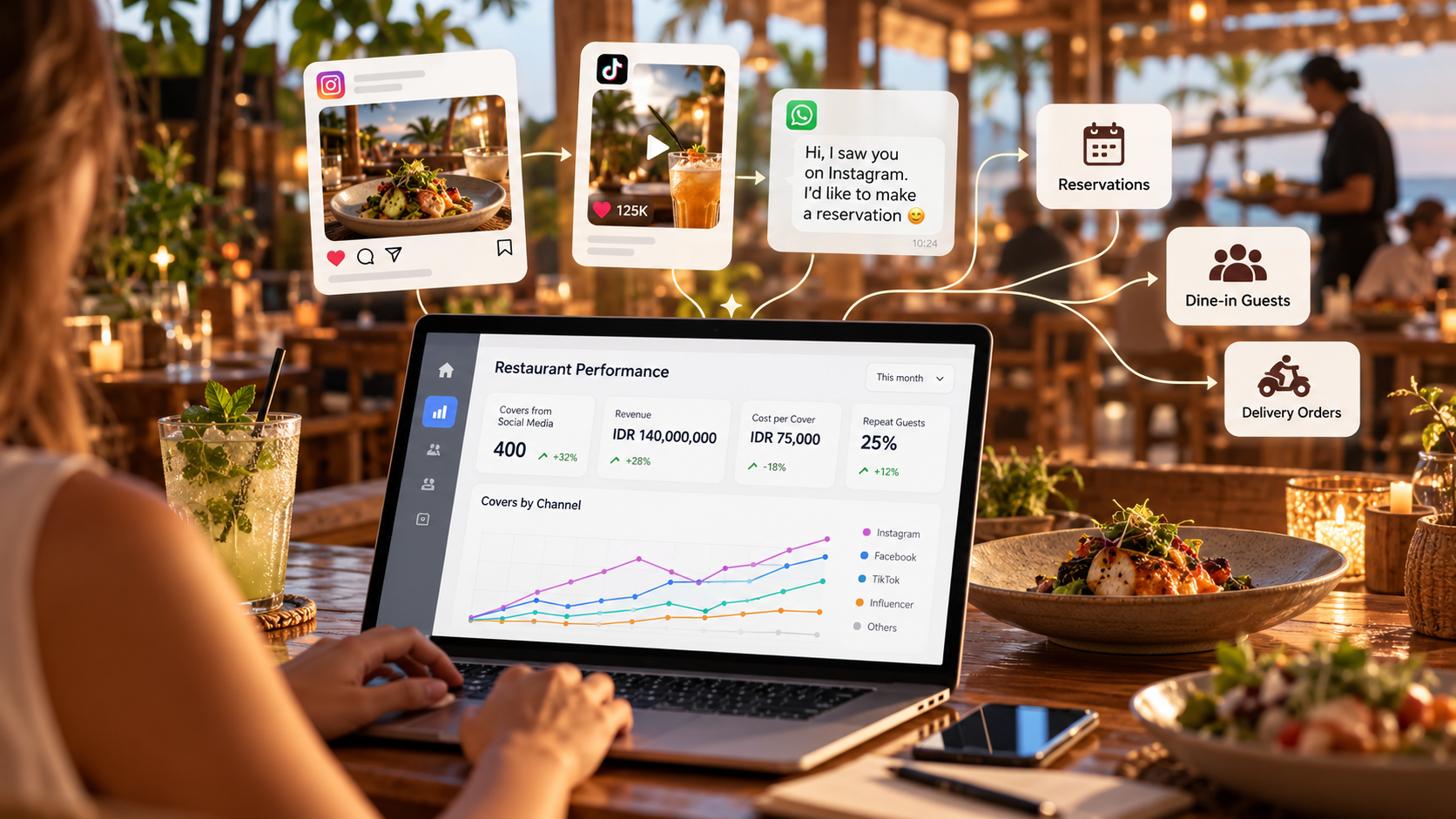
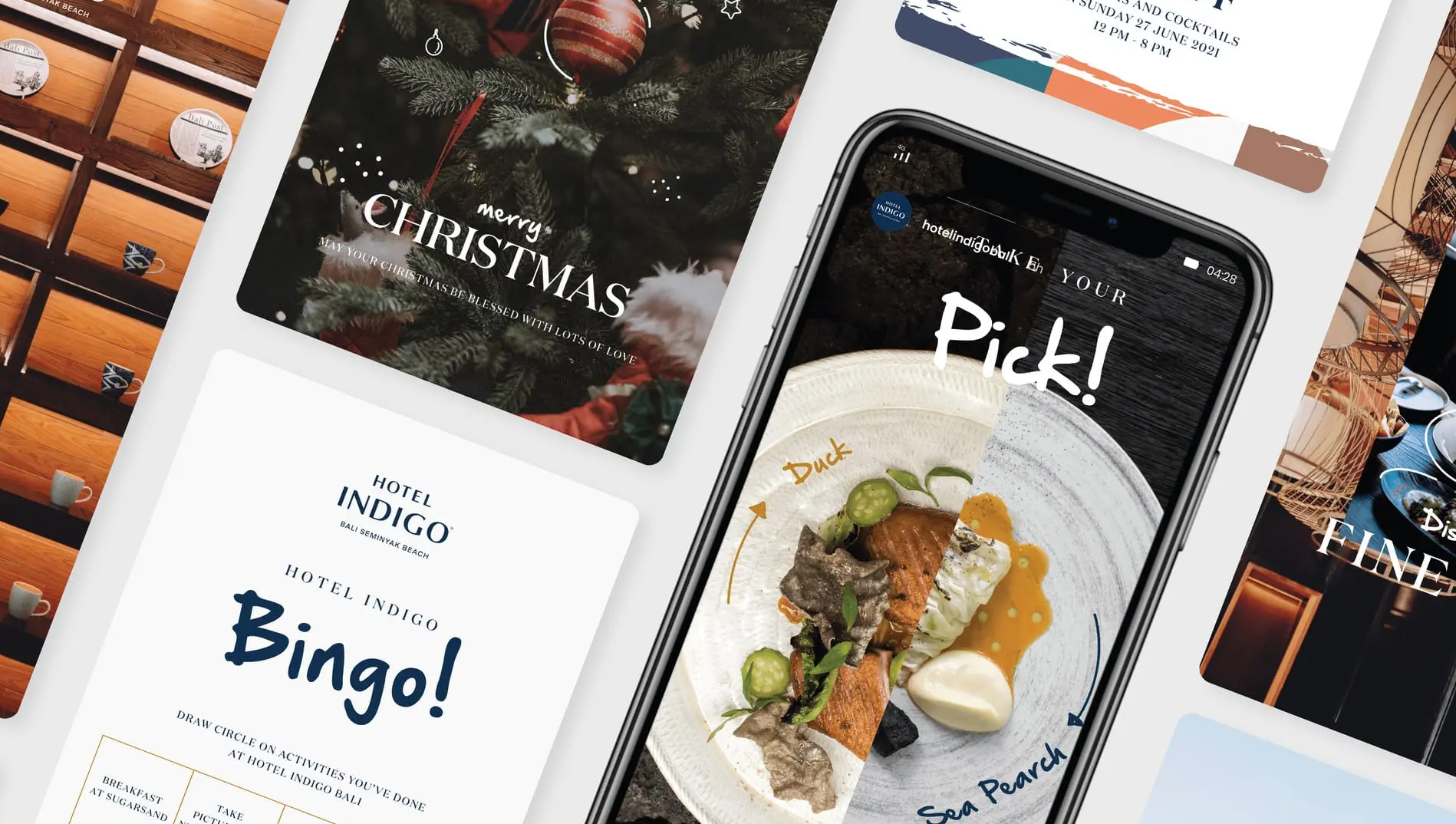
If you’re a business owner planning a workshop, a product launch, or a grand opening, you already know the venue and the date. What you might not have figured out yet is how to promote events on social media so people actually show up. Posting a flyer once and hoping for the best rarely fills seats.
This guide walks through practical ways to do it, built for business owners running their own event, not professional festival organizers with ticketing teams.
Why Social Media Is the Fastest Way to Fill Your Event
For a small or medium business, social media is usually faster and cheaper than traditional advertising: your existing followers already trust your brand and need less convincing than a stranger seeing a flyer. They’re supporting a business they already follow, so lean on that relationship instead of treating followers like a cold audience.
Which Social Media Platform Should You Use to Promote Your Event?
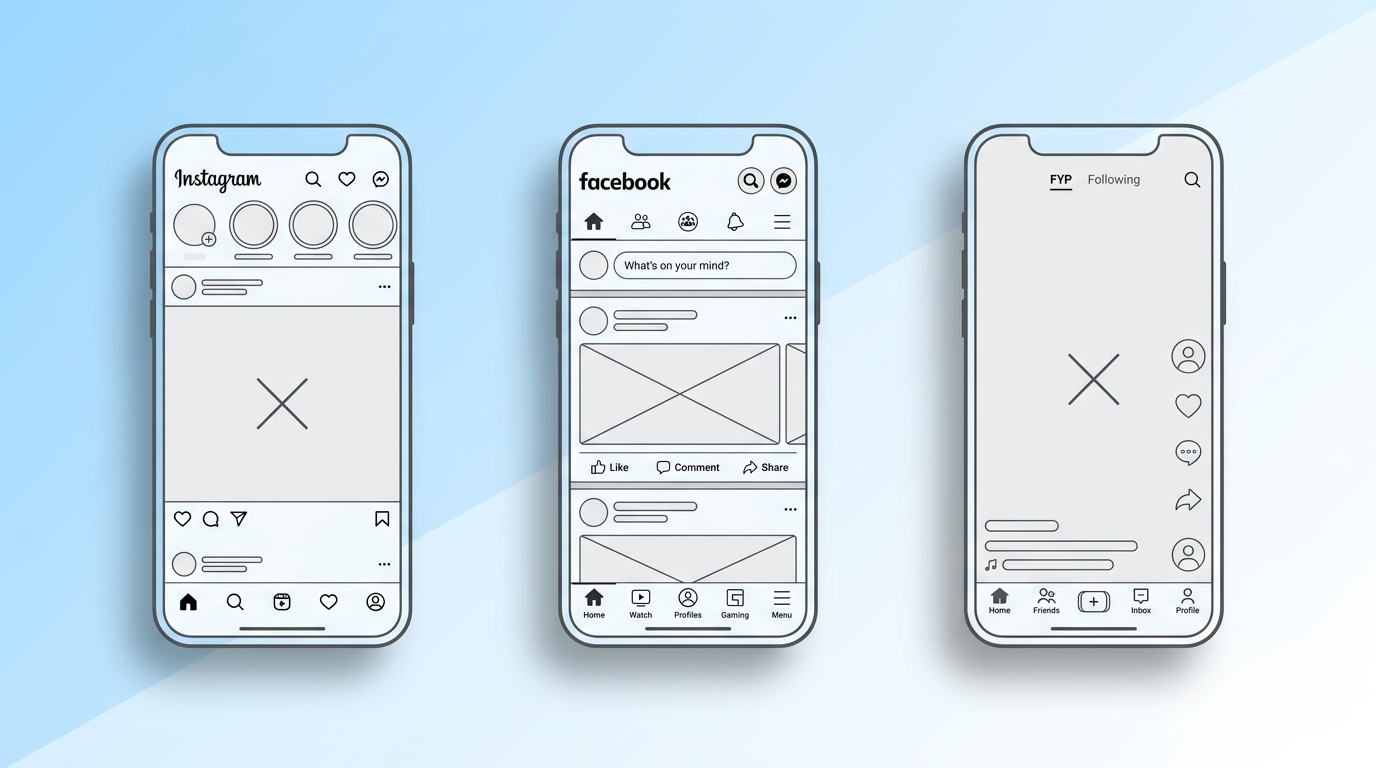
You don’t need to be active everywhere. Each platform rewards different content, so treating them the same costs momentum.
- Plus: strong for visual buildup through Stories and Reels, good for behind the scenes prep, works well with an audience aged 25 to 40
- Minus: organic reach on static feed posts keeps declining
- Growth tips: use the Stories countdown sticker, post short Reels instead of only photos, tag your event location, and ask attendees to reshare to their own Stories
- Best time to post: Thursday 9 a.m., or Wednesday midday to early evening, per Buffer’s 2026 study of 9.6 million posts
- Plus: still the strongest platform for local discovery through its dedicated Events feature, works well for an audience over 30
- Minus: organic reach on regular Page posts is among the lowest of the three, so a post alone rarely does the job
- Growth tips: create an actual Facebook Event linked to your Page, since Events surface separately in “Events Near You,” and share it in relevant local community groups where allowed
- Best time to post: Wednesday and Thursday, afternoon into early evening
TikTok
- Plus: the highest organic reach potential of the three, since the For You Page can push a video to people who don’t follow you yet, and it performs especially well with an under 35 audience and behind the scenes content
- Minus: results are less predictable, it takes more effort to film and edit consistently, and there’s no dedicated event listing feature
- Growth tips (this is TikTok SEO, not FYP luck): say your keyword out loud in the first 3 seconds, add the same keyword as on screen text, write captions the way people search instead of stuffing hashtags, and keep clips tight since completion rate is one of the strongest 2026 ranking signals. Three to five specific hashtags beat a long generic list like #fyp
- Best time to post: mixed data. Buffer’s 2026 study found Saturday performs best, while other studies point to weekday mid mornings. Check your own TikTok Analytics under Followers to find your audience’s actual pattern
Do you need a dedicated event page for a small business event? Not always. A Facebook Event helps with local discovery and RSVP tracking, but a workshop with a limited guest list can work fine with just well timed feed posts and Stories.
Build a Content Calendar That Builds Anticipation
Posting once and stopping is the most common mistake. Space content across three phases instead: curiosity before with teasers and countdowns, presence during with live Stories, and proof after with recaps and testimonials that make people who missed it want the next one.
Should You Boost Posts or Run Paid Ads for Your Event?
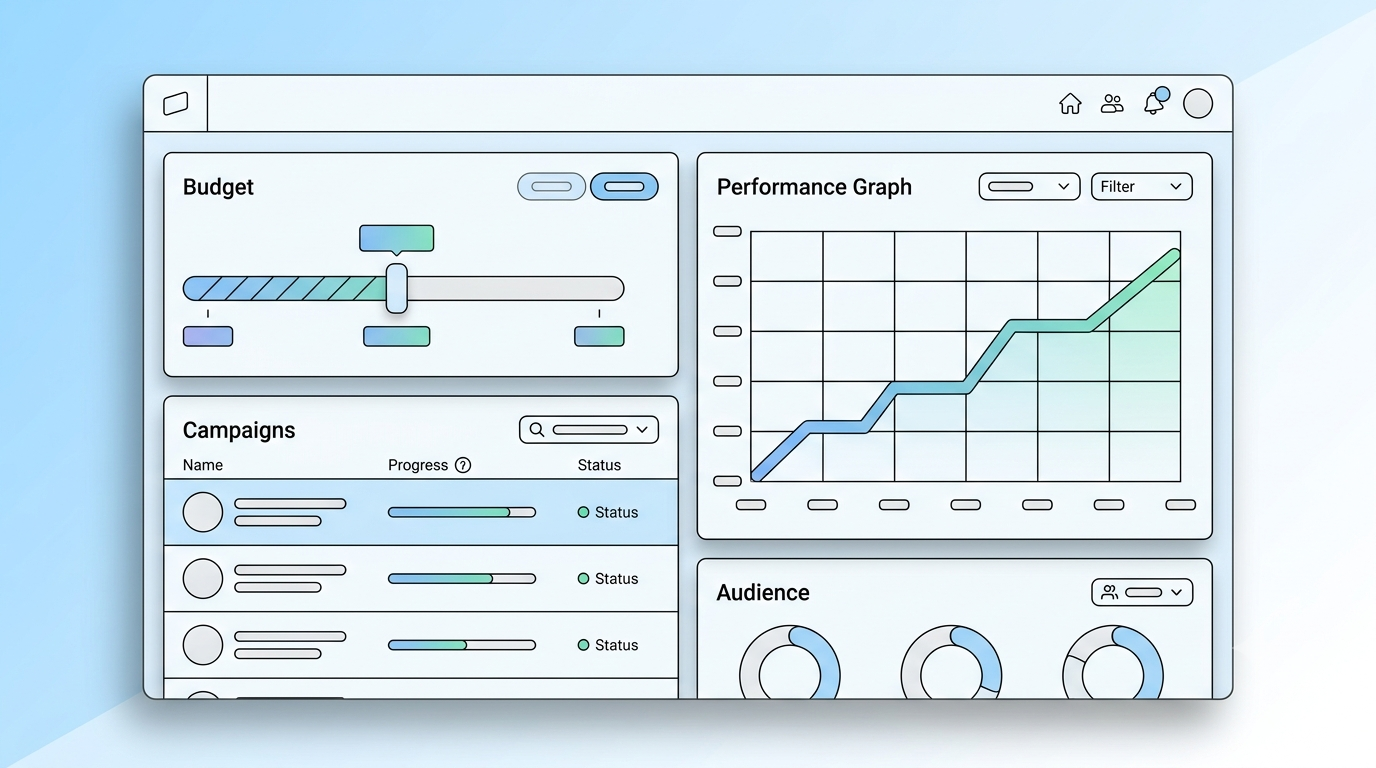
Organic and paid promotion solve different problems, so knowing which one to reach for matters more than picking a favorite.
Organic posting
costs nothing and feels authentic, since it comes from your real account and existing followers already trust you. Its limit is reach: you’re mostly speaking to people who already follow you, a ceiling that doesn’t move no matter how good the content is.
Paid promotion
breaks through that ceiling by reaching people who don’t follow you yet, targeted by location and interest. Its limit is cost, plus something most business owners don’t expect: ad platforms need a few days and a minimum spend to learn who to show your ad to, so underfunding it for a day or two wastes the budget instead of saving it.
The practical approach: post organically first, then put paid budget behind whichever post is already getting the most saves, comments, or shares, instead of guessing blind. If you want to promote it further, you can try using Meta Ads or TikTok Ads.
What Are Meta Ads and TikTok Ads? Meta Ads is the advertising platform that runs paid campaigns across Facebook and Instagram through Meta Ads Manager, one dashboard for creating, managing, and optimizing campaigns. Features like “Boost Post” are a simplified version of the same system.
TikTok Ads is a separate platform that promotes content to targeted audiences through paid campaigns on TikTok, run through its own TikTok Ads Manager with ad formats designed specifically for the platform.
How Much Do Meta Ads and TikTok Ads Cost? Meta Ads has a technical minimum of $1 to $5 per day, but most small businesses see better results around $10 to $20 per day for at least 6 to 7 days, giving the algorithm enough time to gather data and optimize.
TikTok Ads generally requires a larger investment. As of 2026, the minimum spend is $50 per day at the campaign level and $20 per day at the ad group level, which is why many businesses build organic traction first before investing in paid ads there.
How much should a small business spend on social media ads for an event? Budget around $70 to $150 for a one week Meta Ads test on your best performing organic post, and treat TikTok Ads as a next step once you have a bigger budget or stronger organic results.
If you’re just starting out, still small scale, or genuinely unsure which platform or budget fits your business, that confusion is normal, paid ads have a real learning curve. Instead of guessing, you can hand the strategy over to a team that manages these campaigns daily. Kesato’s social media marketing team builds paid campaigns sized to what a small business can actually afford.
Common Event Promotion Mistakes That Kill Turnout
A few patterns show up again and again:
- Posting once and assuming the algorithm will do the rest
- Announcing the event without a clear reason to attend beyond “we’re hosting something”
- Ignoring comments and DMs asking about details, which quietly kills momentum
- Waiting until the week of the event to start posting
- Using the exact same content and format across all three platforms instead of adjusting for how each one actually works
As marketing writer Seth Godin put it:
“Marketing is no longer about the stuff you make, but about the stories you tell.”
An event announcement without a story behind it is just a date and a location. That’s rarely enough to move someone from scrolling to attending.
Turning Your Next Event Into Real Customers, Not Just Likes
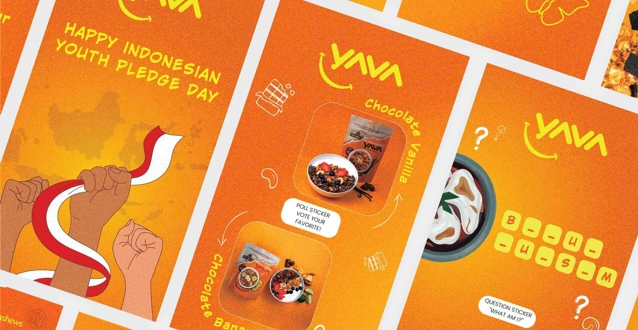
A well promoted event does more than fill a room for one afternoon. Done right, it becomes a social media event marketing asset you can reuse for months, recap posts, testimonials, and photos that keep bringing new customers long after the event ends.
That’s usually where business owners run out of time, not ideas. Planning content across three platforms, testing paid promotion, and turning event footage into ongoing marketing material is a lot to manage on top of actually running the event. Our content creation team can capture the event itself so you walk away with real footage for the next one. Kesato has helped business owners across Bali and beyond turn events into real customer growth for over a decade. Come talk to us about your next one.
Frequently Asked Questions
How far in advance should you start promoting an event on social media?
Start two to three weeks out for most events. Longer for a large launch, shorter for a casual in store event, but avoid starting less than a week before.
How many social media posts should you make before an event?
Aim for six to eight posts across the lead up period, spaced across the before, during, and after phases described earlier.
What’s the best day or time to post about an event?
This depends on the platform, as covered above, but Wednesday and Thursday tend to outperform weekends and late nights on Instagram and Facebook. TikTok is the exception, worth checking on your own analytics.
Do you need a paid ad budget to promote a small business event?
No. The platform tactics and content calendar above work without ad spend. A paid budget is optional, most useful once you’ve confirmed which content is already resonating organically.