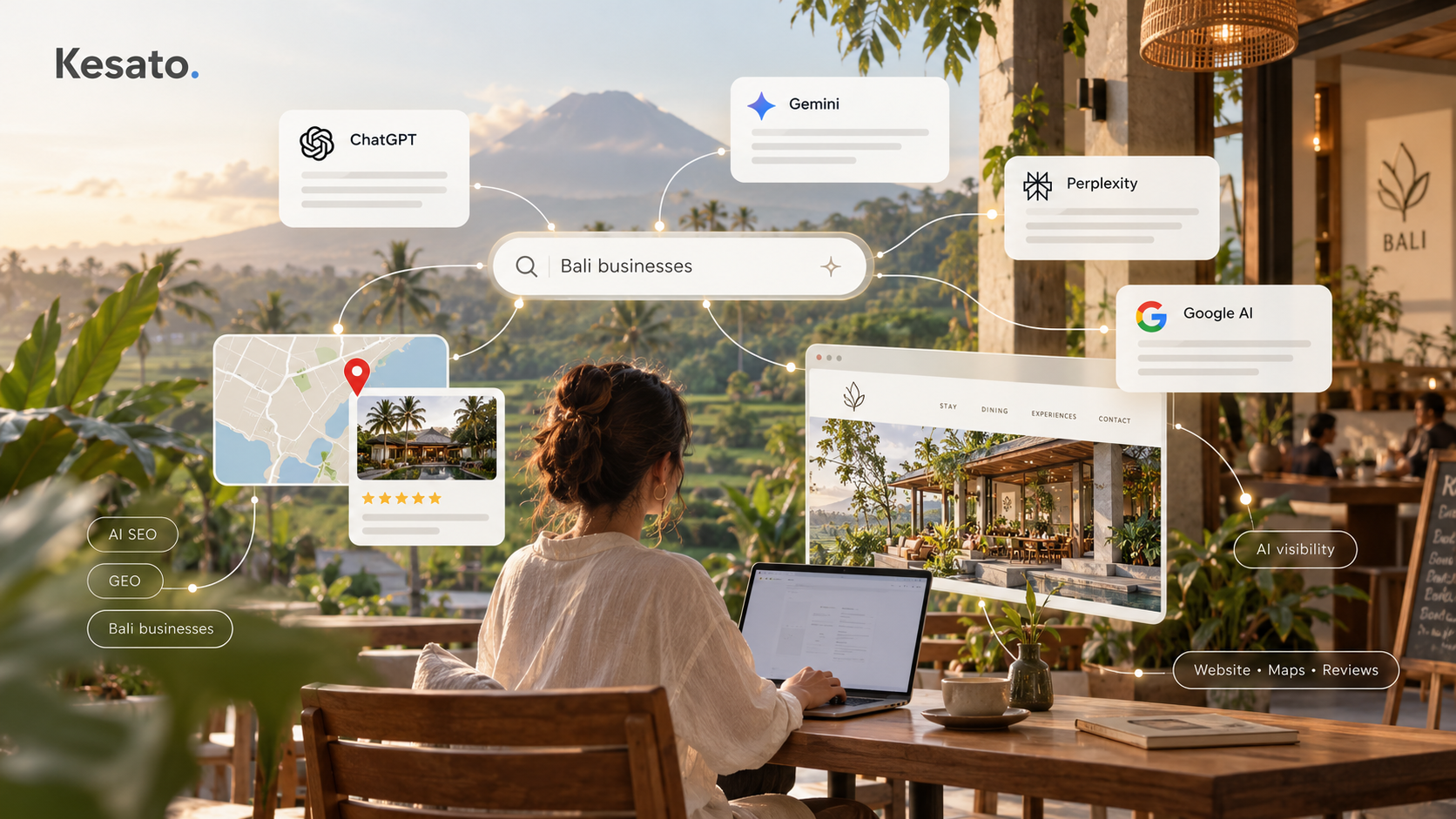

A website with heavy traffic but flat sales usually has a copy problem, not a traffic problem. Words on a page carry the weight of every design choice, every ad click, and every SEO effort behind it. When those words fail to connect, visitors leave without acting, no matter how polished the layout looks.
This guide breaks down what website copywriting actually means, the framework behind copy that converts, and the mistakes quietly costing conversions on otherwise solid websites.
What Is Website Copywriting

Website copywriting is the practice of writing web page text with one goal: moving a reader toward an action, whether that is a purchase, a booking, or a form submission. Unlike general writing, every sentence in web copy earns its place by supporting that single goal.
Search engines factor into this too. Effective copy is built to satisfy both a human reader scanning quickly and a search algorithm evaluating relevance, structure, and intent match.
Copywriting Vs Content Writing

Confusion between these two often slows projects down. Content writing typically informs or educates through blogs, guides, and articles. Copywriting persuades through landing pages, product descriptions, and calls to action.
A blog post might explain how a CRM works. Product page copy convinces a visitor that this particular CRM solves a specific, urgent problem right now. Both matter for SEO, but the metrics differ: content writing chases engagement and topical authority, while copywriting chases clicks and conversions.
Five Elements Of Converting Copy
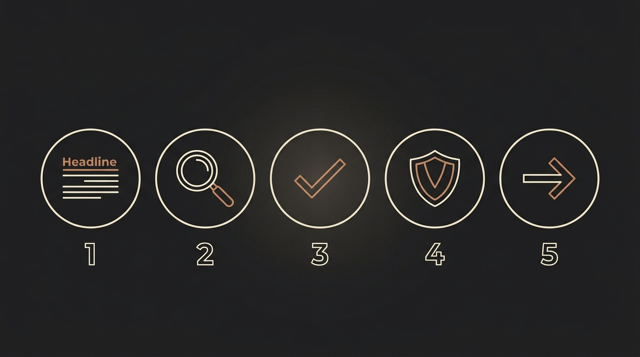
Strong website copy consistently includes the same five building blocks, regardless of industry.
- A clear headline. The first line either earns a second sentence of attention or loses the reader entirely.
- A specific promise. Vague claims like “the best solution” convert worse than a precise outcome, such as “cut invoice processing time in half.”
- Proof. Numbers, testimonials, or case studies remove doubt faster than adjectives ever could.
- Objection handling. Pricing concerns, trust concerns, and timing concerns need direct answers, not avoidance.
- One clear action. A page offering five different buttons usually gets fewer clicks than a page offering one.
Should Website Copy Stay Short ?
Length depends on intent, not habit. A checkout page benefits from brevity because friction kills conversions at that stage. A service page selling a premium priced offer often performs better with longer copy, since trust needs to be built before a decision is made. Matching length to buying stage matters more than following a fixed word count rule.
Copy That Ranks On Google
Search rankings reward pages that answer a query directly and quickly, then support that answer with depth. A page that opens with a clear definition or answer within the first two sentences of a section tends to outperform pages that bury the point under long introductions.
Practical steps that support rankings without harming persuasion:
- Placing the primary keyword naturally in the headline and first paragraph, never forced
- Structuring sections under clear, scannable subheadings
- Using short paragraphs so mobile readers are not met with dense text blocks
- Linking internally to related services, giving both readers and search engines a clear path to explore further, such as SEO and SEM services for pages that need both persuasive copy and technical optimization
Joanna Wiebe, founder of the conversion copywriting agency Copyhackers, built her entire teaching philosophy around one core rule: clear copy consistently outperforms clever copy. That rule holds particularly true for SEO, since search engines and skimming readers both reward clarity over wit.
Common Copywriting Mistakes
A handful of recurring mistakes show up across underperforming websites, regardless of industry or budget.
- Leading with the company instead of the visitor. Pages that open with “Founded in 2010” instead of the visitor’s problem lose attention immediately.
- Jargon without translation. Industry terms familiar to the writer often mean nothing to a first time visitor.
- Weak calls to action. Generic buttons like “Submit” or “Click Here” undersell the value of the next step compared to specific phrasing like “Get a Free Quote.”
- No internal linking. Pages left as dead ends waste both SEO equity and the chance to guide a visitor toward related services, such as a web design and development page when copy quality depends on layout and structure.
Writing For Hospitality And Travel Brands
Hospitality and travel websites face a unique copywriting challenge: most visitors arrive with high intent but limited trust in an unfamiliar destination. Copy for resorts, villas, and tour operators in a place like Bali needs to balance sensory, aspirational language with concrete, practical details, since an international guest is booking blind, often months in advance.
Overly poetic copy without specifics (room count, cancellation policy, distance from the airport) tends to underperform, even when the writing itself is beautiful. Guests convert when inspiration and information sit side by side on the same page.
Does Local Language Matter For SEO
Yes, when the target audience searches in that language. A property targeting domestic Indonesian travelers benefits from Bahasa Indonesia copy matching local search phrasing, while a property targeting international guests needs English copy aligned with how those visitors actually search, not a direct translation of the Indonesian version.
Hire Help Or Write It Alone
Writing website copy alone works for a simple, low stakes page. Once a page needs to carry both conversion goals and search visibility, the calculation changes. Copy built without SEO structure often reads well but ranks poorly, while copy built purely for keywords often ranks but fails to convert once visitors arrive.
Balancing both usually requires a workflow where copywriting decisions are made alongside SEO strategy rather than after it, since keyword placement, heading structure, and persuasive flow all need to work together on the same page.
Ready To Turn Words Into Results 
A website only performs as well as the words carrying its offer. Strong design and steady traffic still fall flat when the copy fails to answer a visitor’s real question fast enough. Reviewing existing pages against the five elements above is a useful starting point before a full rewrite gets considered.
For a website that needs copy built with search visibility in mind from the first draft, Kesato brings design, SEO, and content strategy together under one roof.
FAQs
Does website copywriting affect SEO rankings?
Yes. Search engines evaluate relevance and intent match, both of which depend heavily on how clearly a page’s copy addresses a search query.
How long should a homepage’s copy be?
There is no fixed number. A homepage should be long enough to explain the offer and guide visitors to relevant pages, and short enough to avoid burying the main message.
Should copy be written in Bahasa Indonesia or English?
It depends on the target audience. Domestic audiences respond better to Bahasa Indonesia matching local search behavior, while international audiences need English copy written for actual international search behavior, not a translated version of the Indonesian copy.
How often should website copy be updated?
Reviewing core pages every six to twelve months helps catch outdated offers, shifting search intent, and messaging that no longer matches current positioning.