Most hotel and resort owners don’t regret hiring a branding agency because they picked carelessly. They regret it months later, when the visuals look polished but nobody on the team uses the brand guidelines and the guest experience never actually changed, usually because the agency treated branding as a design task instead of a business one.
A hospitality branding agency builds and maintains the visual identity, messaging, and materials that make a property recognizable, from logo and brand guidelines to the collateral guests actually see. Kesato is a hospitality branding firm and digital agency Bali businesses work with for branding alongside marketing, based in Bali since 2012 and working with hospitality, retail, and lifestyle brands across Indonesia.
What Branding Really Means, Beyond the Logo 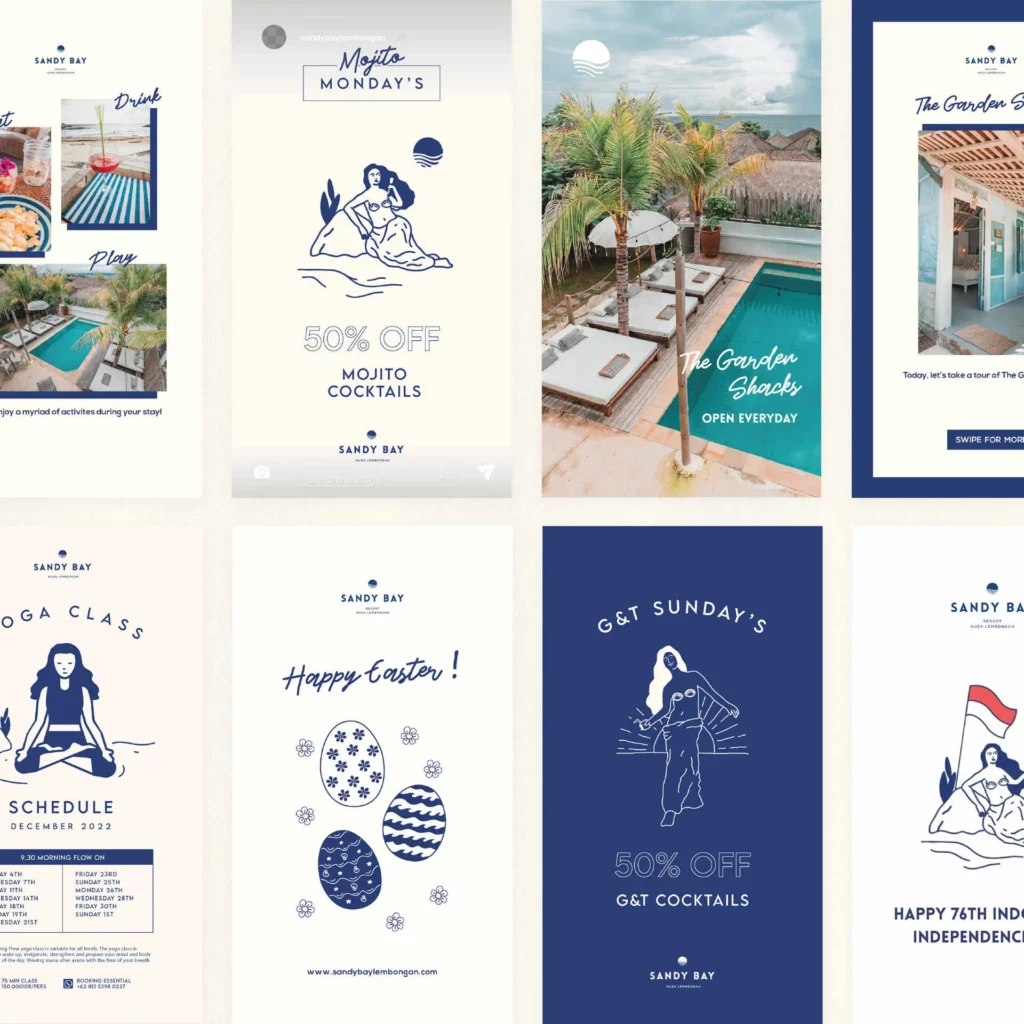
A logo is the most visible piece of a brand, but it’s the smallest part of what branding actually does. Branding is the sum of every signal that shapes how someone feels about a business before, during, and after they interact with it. That includes four layers that work together:
1. Brand strategy and positioning: the decision about who the property is for, what it stands for, and why a guest should choose it over the resort next door. Without this, a logo is just decoration.
2. Brand identity: the visual system, meaning logo, color, typography, and imagery, that makes the strategy recognizable at a glance.
3. Brand voice: the tone and language used everywhere from the website to a check in email, which either reinforces the identity or quietly contradicts it.
4. Brand experience: what a guest actually feels while interacting with the property, from the first ad they see to the moment they check out. This is where branding stops being design and starts being every touchpoint combined.
Customers who feel a genuine emotional connection to a brand tend to have a lifetime value roughly five times higher than customers who don’t, according to research cited by Harvard Business Review (source: SocialTargeter). That connection rarely comes from a logo alone. It comes from strategy, voice, and experience all pointing in the same direction.
What Hospitality Branding Actually Involves
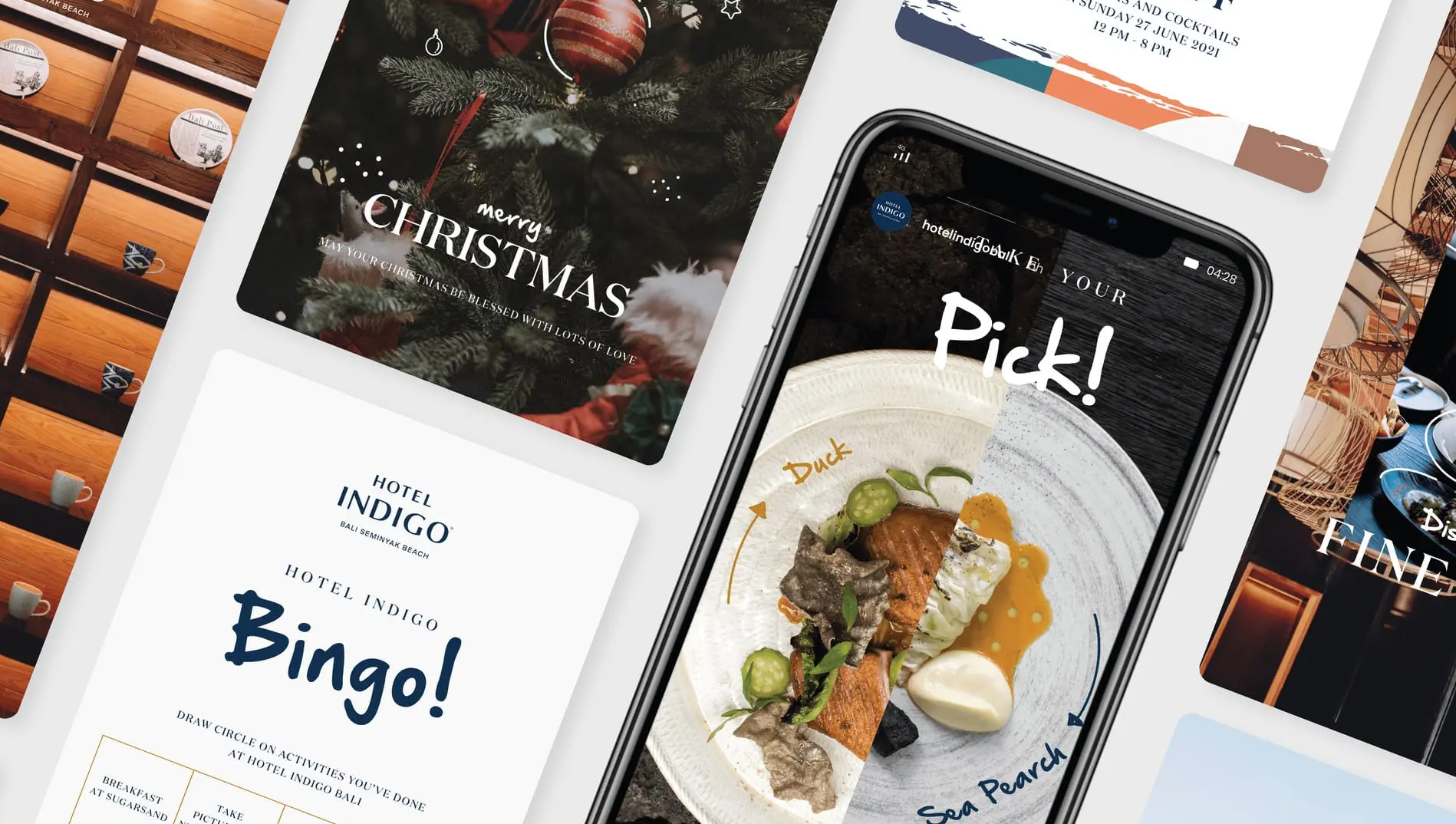
In practice, the four layers above turn into two concrete deliverables for a hospitality business:
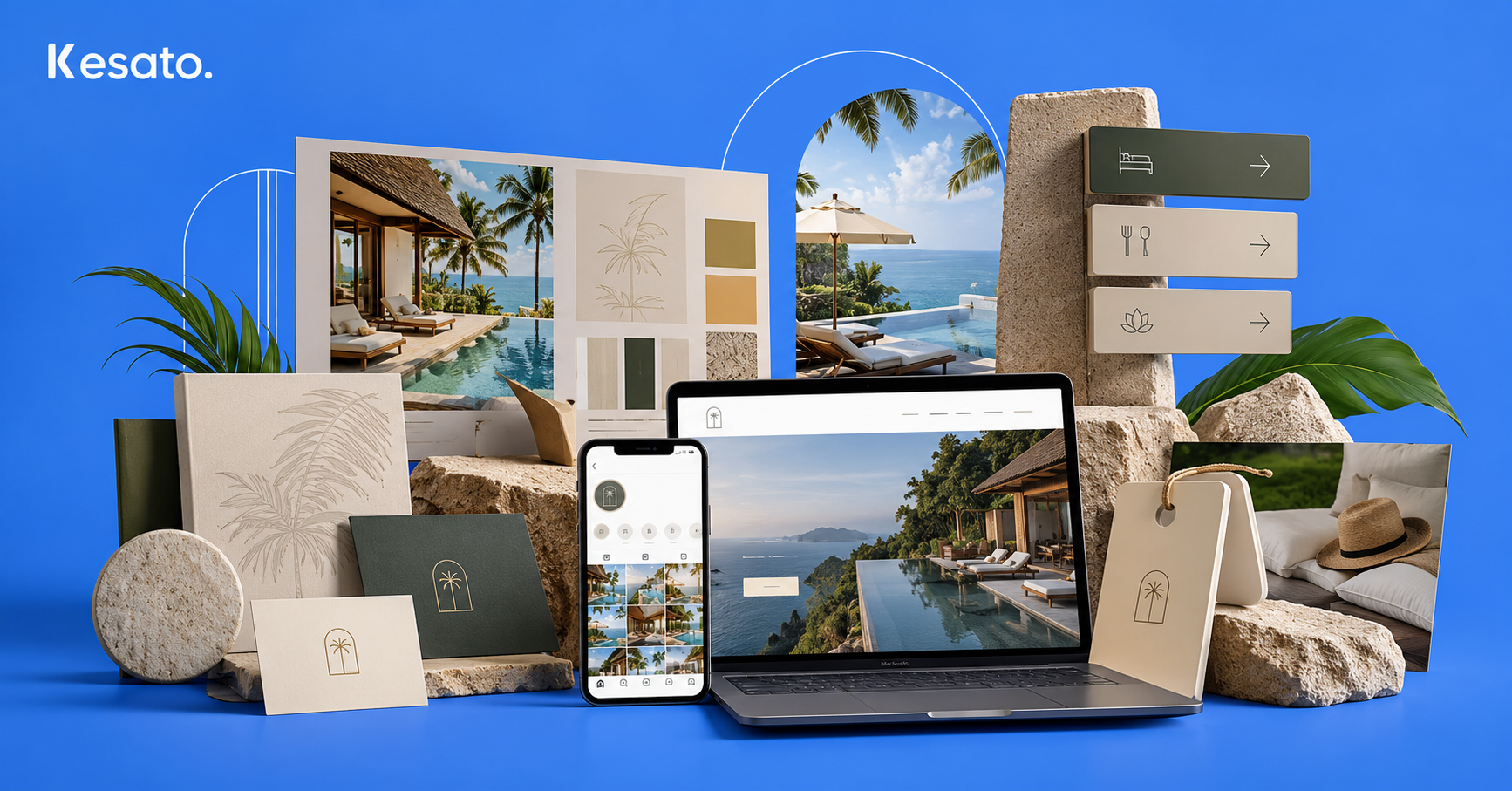
1. A brand identity package: finished logo files, an official color and font system, and a brand guideline document the team can hand to any designer, photographer, or vendor to keep everything on brand without asking twice.
2. A collateral design set: the physical and digital materials guests interact with directly, including brochures, menus, signage, welcome cards, key cards, business cards, and packaging, all built from the identity package rather than designed separately from scratch each time.
A hospitality marketing agency producing both as one connected set, instead of treating collateral as an afterthought once the logo is done, is what keeps a brand feeling the same whether a guest sees it on Instagram, in a welcome brochure, or on a hotel room key card.
When to Consider Rebranding a Hotel or Resort
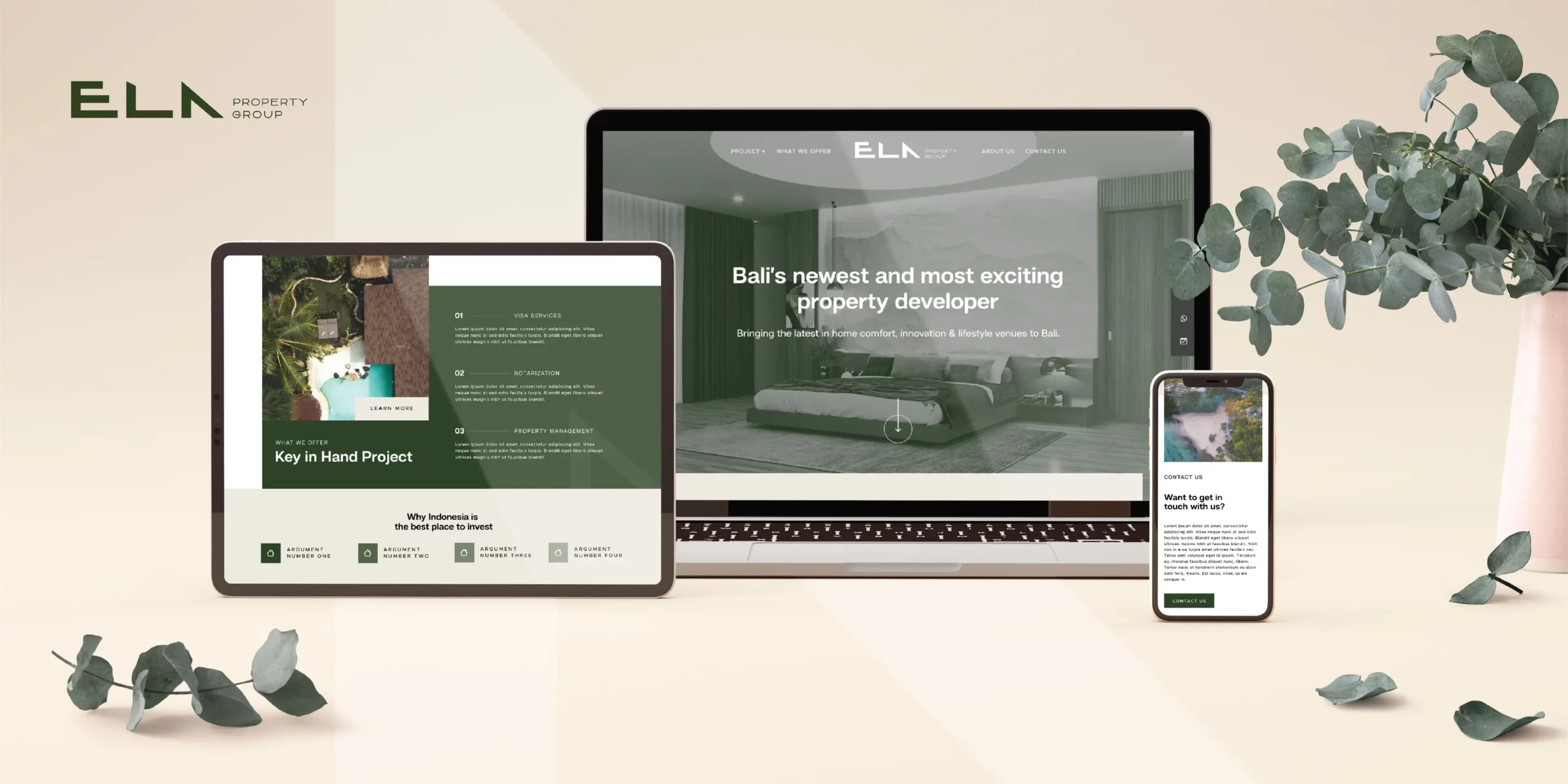
Rebranding a hotel isn’t something to do on a whim, but there are clear signals it’s time:
1. The brand no longer matches the property: a renovation, new ownership, or a shift in target guests can leave the old identity feeling disconnected from what the property has become.
2. Visual inconsistency across channels: if the logo, colors, or tone look different on the website, Instagram, and printed materials, it reads as unprofessional or, worse, makes a guest unsure they’ve found the right property.
3. Flat or declining direct bookings despite marketing spend: sometimes the problem isn’t the marketing channel, it’s that the brand itself isn’t giving guests a reason to choose it over a competitor with a stronger identity.
4. Expansion into a new market or guest segment: a resort branding strategy built for backpackers doesn’t automatically work for a property repositioning toward luxury travelers.
Why Brand Consistency Affects Revenue
Branding often gets treated as a design expense rather than a revenue driver, but the data suggests otherwise. Lucidpress and Marq’s State of Brand Consistency research, aggregated across multiple study years, found that businesses presenting their brand consistently across every channel saw revenue increases ranging from roughly 10 to 33 percent (source: Omnibound). In hospitality specifically, properties with high quality, consistent photography of rooms and amenities see a 15 percent higher conversion rate than those without (source: Zoomshift).
Consistency, in other words, is not a cosmetic detail. It’s part of what turns a browsing traveler into a booking guest.
Questions to Ask Before You Sign
Generic criteria like “good communication” or “creative team” don’t tell you much. Specific questions, and how directly an agency answers them, tell you far more.
1. What does your discovery process look like? An agency that jumps straight to logo concepts is guessing. A strong answer describes understanding the guest, the competitive landscape, and the positioning before any visual work starts.
2. Who actually works on my project? The person pitching a proposal and the person designing the brand are not always the same. Ask to meet the creative lead who will be hands on with the work.
3. What happens to the files when we’re done? Every logo file, font license, and brand asset should belong to the business at the end of the engagement, with no ambiguity. Get this in writing before signing anything.
4. How many revision rounds are included, and what happens after that? Unlimited revisions sound generous but often signal a process without clear direction. A defined number of structured feedback rounds usually produces sharper work faster.
5. Can you show hospitality specific work, not just general branding? A generalist studio can produce beautiful work, but hospitality branding has to function across a physical space, staff behavior, and guest journey, not just a screen.
Dealbreakers: What to Walk Away From
Some things are worth negotiating on. These aren’t:
1. No hospitality portfolio at all: general branding skill doesn’t automatically transfer to hospitality. The guest journey and physical brand environment are problems specific to this industry, and an agency without that experience is learning on the business’s budget.
2. Concepts sent before any real discovery: if logo options arrive before the agency has asked a meaningful question about the guest or the positioning, it’s selling artwork, not building a brand.
3. Speed sold as the main selling point: a brand built in a week tends to feel like it was built in a week. Getting it right takes the time it takes.
Frequently Asked Questions About Hospitality Branding
How much does hospitality branding cost?
Cost varies widely based on scope, from a logo refresh to a full brand identity and collateral system, so most agencies price by project after an initial consultation rather than offering a flat rate.
How long does a hotel rebrand usually take?
A full brand identity and collateral rollout typically takes several weeks to a few months, depending on how many touchpoints, from signage to digital channels, need to be updated.
What’s the difference between a logo redesign and a full rebrand?
A logo redesign changes only the visual mark. A full rebrand revisits the strategy and positioning first, meaning who the property is for and what it stands for, then updates the identity and collateral to match. Changing the logo without revisiting strategy usually just produces a newer looking version of the same disconnect.
Who owns the brand files after the project ends?
The business should, in full, with no asterisks. That means source logo files, font licenses, and the brand guideline document, not just exported images. This should be written into the contract before work begins, not assumed.
Ready to Build a Brand Guests Remember
Choosing a hospitality branding agency comes down to relevant experience, a discovery process that goes beyond a logo brief, and clear answers to the questions above, especially who owns the work when it’s done. Kesato is a branding agency Bali hospitality brands have worked with for over a decade, alongside broader digital marketing agency services including social media and search, so brand identity and everything built on top of it stay aligned from the start.
![[What’s Up Kesato] Noné Kitchen](https://www.kesato.com/blog/wp-content/uploads/2016/10/NoneBlog-750-x-220-pxindd-4.jpg)