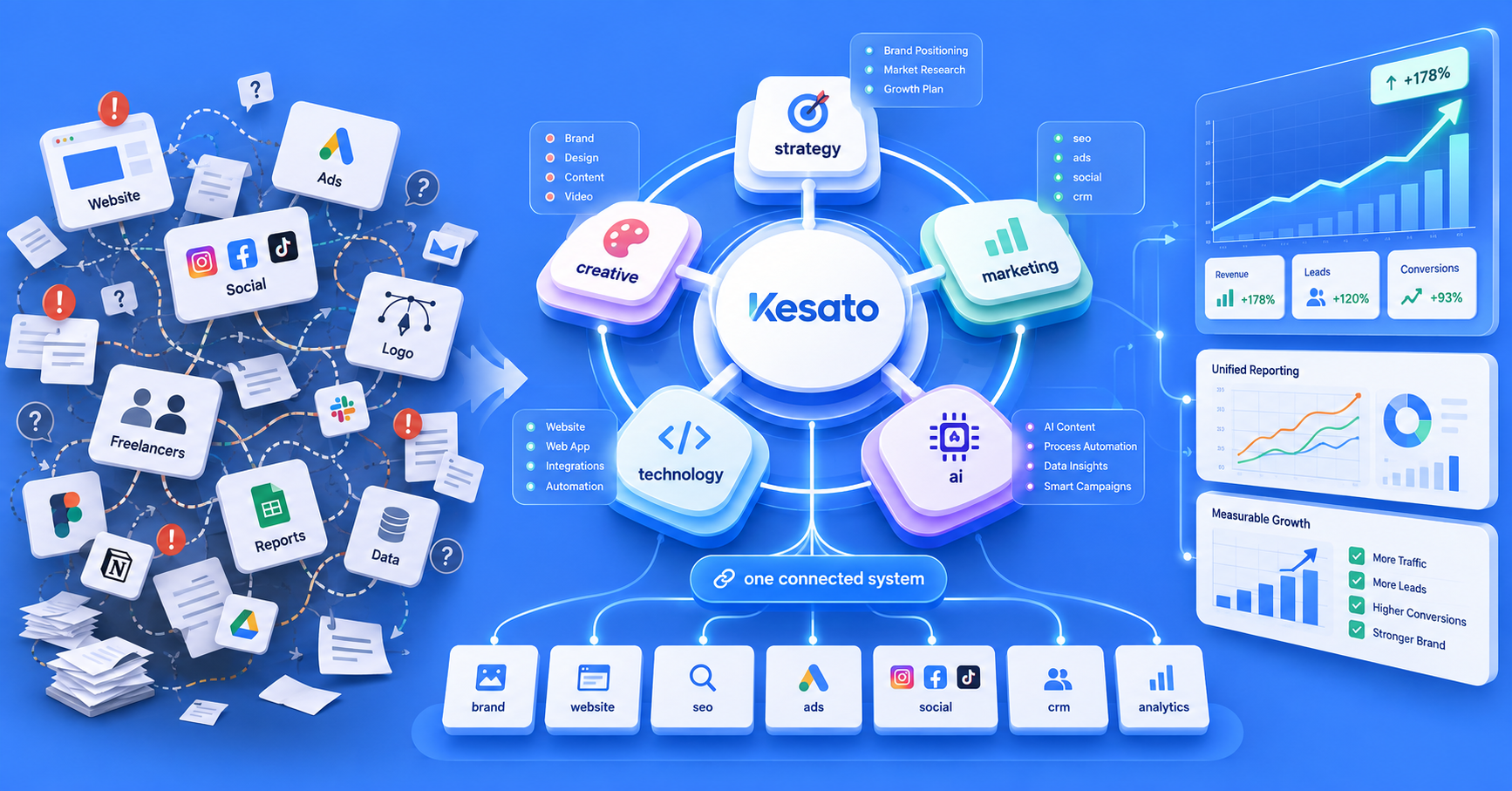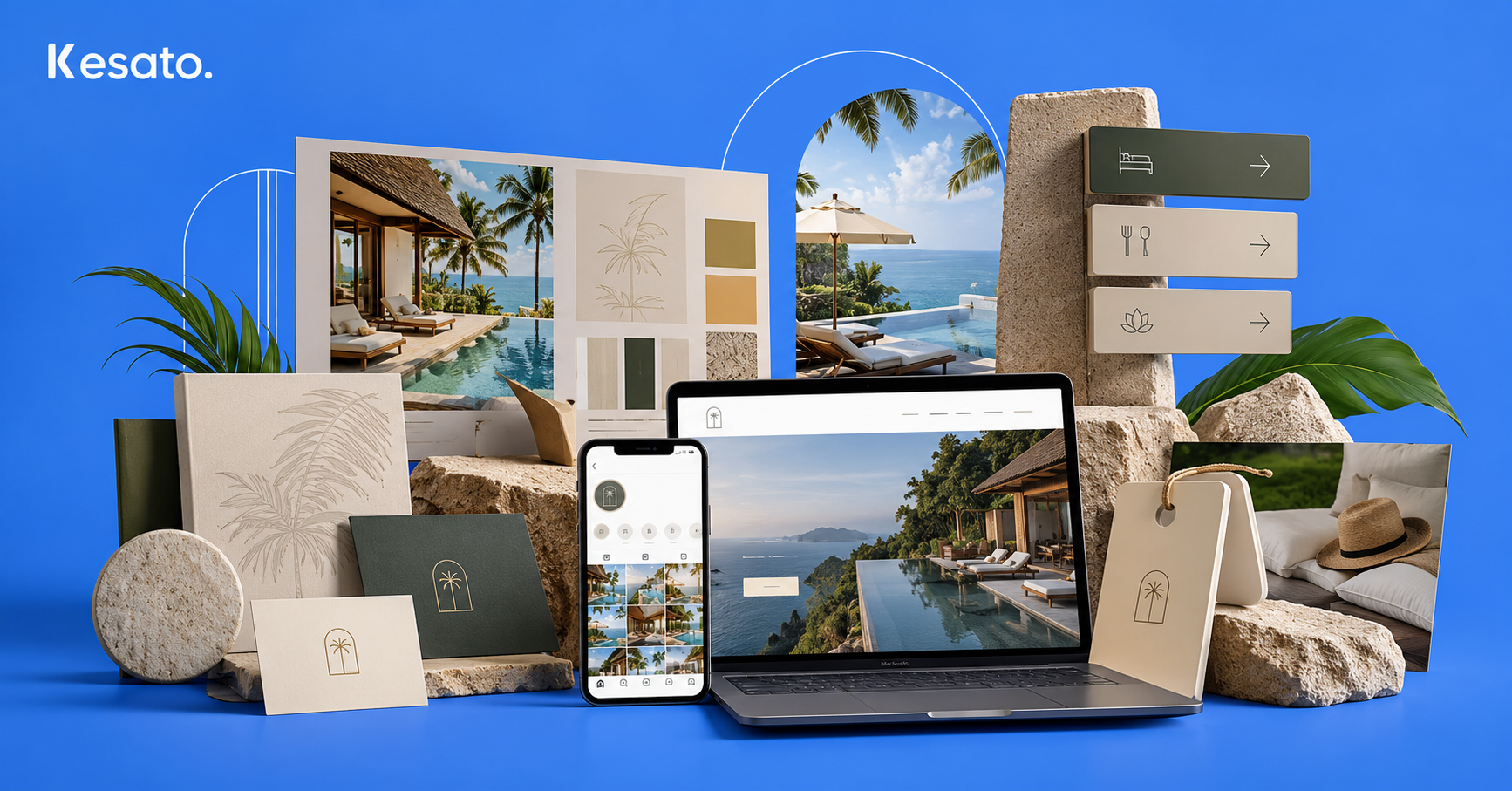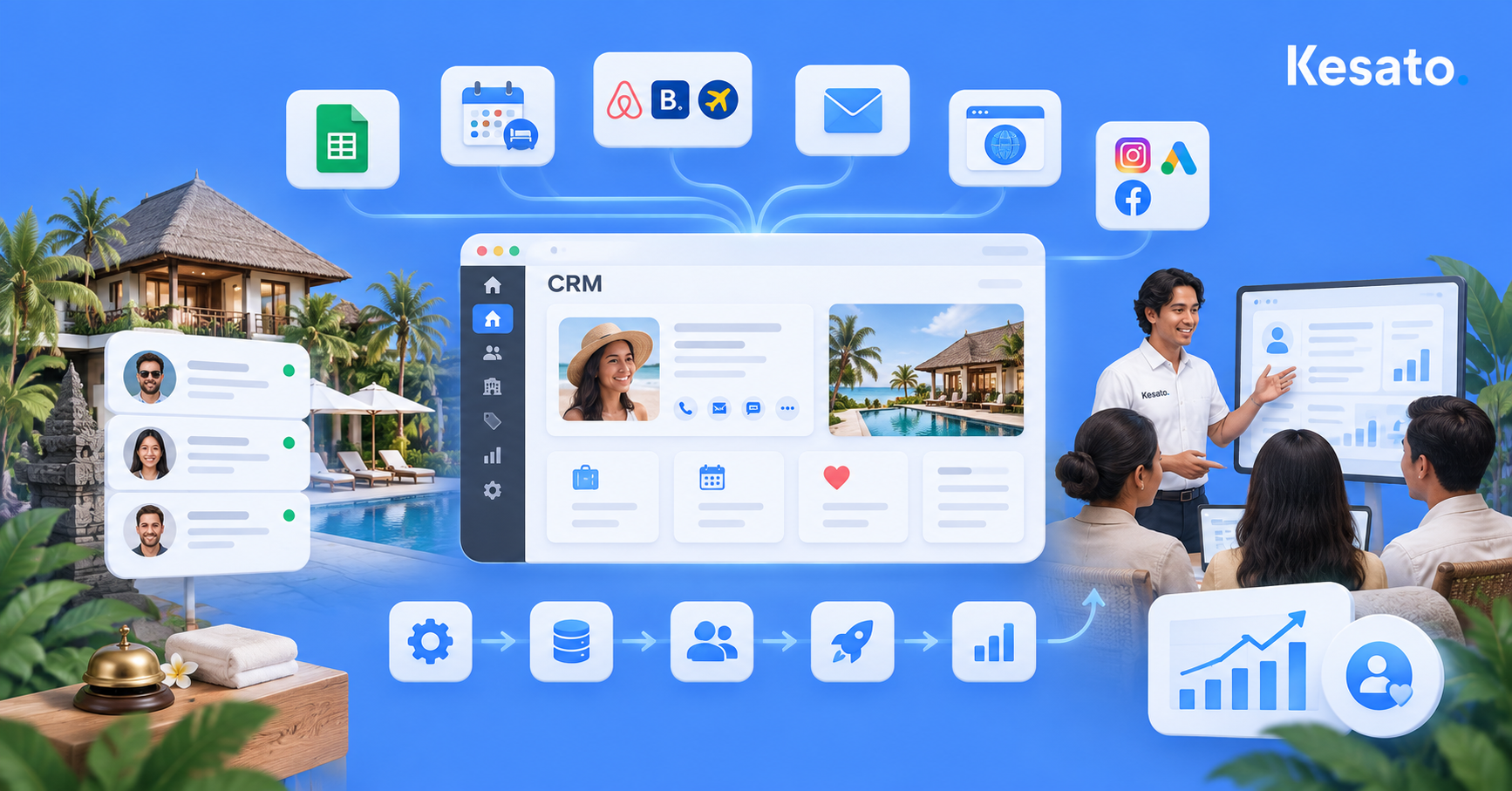

A full service digital agency is a single partner that plans and runs your entire digital marketing under one roof: branding, website, SEO, ads, social media, and analytics. Instead of piecing things together with separate freelancers, you get one team, one strategy, and one point of accountability. Whether you’re looking at a global network or a digital agency in Bali, marketing that’s split across too many hands tends to waste budget. Integration is what turns scattered tactics into measurable growth.
One Partner Across Every Channel: What “Full-Service” Really Means
“Full-service” isn’t about having a long list of offerings. It’s about making those offerings work together so each channel reinforces the others.
A specialist agency might build a great ad campaign, only to send that traffic to a weak website. A full-service agency fixes the whole funnel: the ad, the landing page behind it, the SEO underneath it, and the CRM that follows up afterward. The real value is coordination. One strategy where design, content, search, and paid media all move in the same direction is hard to pull off when four separate vendors are each optimizing only their own piece.
What Services Does a Full Service Digital Agency Offer?
A full service digital agency typically covers the whole customer journey: awareness, conversion, and retention. Here’s the core stack, and how the pieces connect.
- Strategy and branding. Positioning, brand identity design, and creative direction that sets the tone for everything else.
- UI and UX design services from a website development agency. User-centered design and website or app development that turns visitors into leads.
- SEO services and SEM (including AEO and GEO). Search optimization for Google and, increasingly, for AI answer engines.
- Paid advertising. Google Ads, Meta, and TikTok campaigns built for conversion, not just clicks.
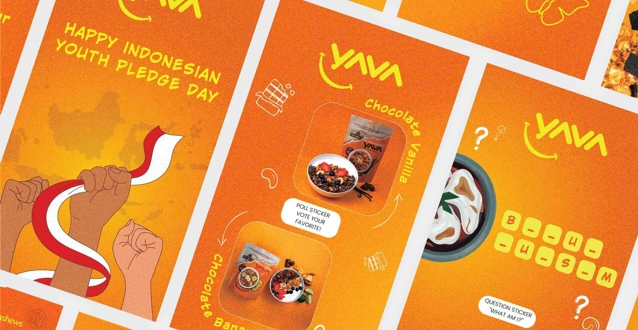
- Content creation agency work paired with a social media agency approach. Photography, video, and social content that feeds both organic reach and paid campaigns.
- CRM integration services. Getting leads managed instead of lost.
- Emerging technology. Generative AI solutions and virtual tours and immersive advertising for brands looking to stand out.
Which Digital Marketing Services Are In Demand for 2026?
The most requested services in 2026 share one trait: they connect attention directly to revenue. Businesses aren’t paying for activity anymore. They’re paying for leads, bookings, and sales.
Five stand out:
- Performance advertising tied to actual conversions on Meta and TikTok.
- AI search optimization (GEO/AEO). A 2025 Semrush study on AI Overviews found that Google’s AI Overviews now appear in roughly 88% of informational searches, which makes being cited by AI the new “first page.”
- Short-form video, now the dominant format for discovery on social media.
- AI-driven automation for budgeting, targeting, and dynamic creative.
- First-party data and CRM, as privacy rules keep reshaping how targeting works.
Marketing expert Seth Godin put it well: people don’t buy goods and services, they buy relationships, stories, and a bit of magic. The services winning in 2026 are the ones building that connection at scale.
Does my business still need SEO if AI answers questions directly? Yes. AI engines pull their answers from pages that are well structured and authoritative, so strong SEO is now what gets you cited inside AI results, not just ranked below them.
How to Choose the Right Full Service Digital Agency

Choosing an agency should feel like hiring a senior team member: look for evidence, not promises. The right partner can show measurable results and explain how their channels work together.
Before signing anything, check for:
- Track record. Case studies and results in your industry.
- Transparency. Clear reporting on spend, leads, and ROI.
- Certifications. Google Partner or Meta Business Partner status.
- Integration. Can they actually connect SEO, ads, content, and CRM, or do they only handle one piece well?
- Red flags. Ranking guarantees, vague deliverables, or reports full of vanity metrics.
Why Integrated Agencies Make Sense in Competitive Markets
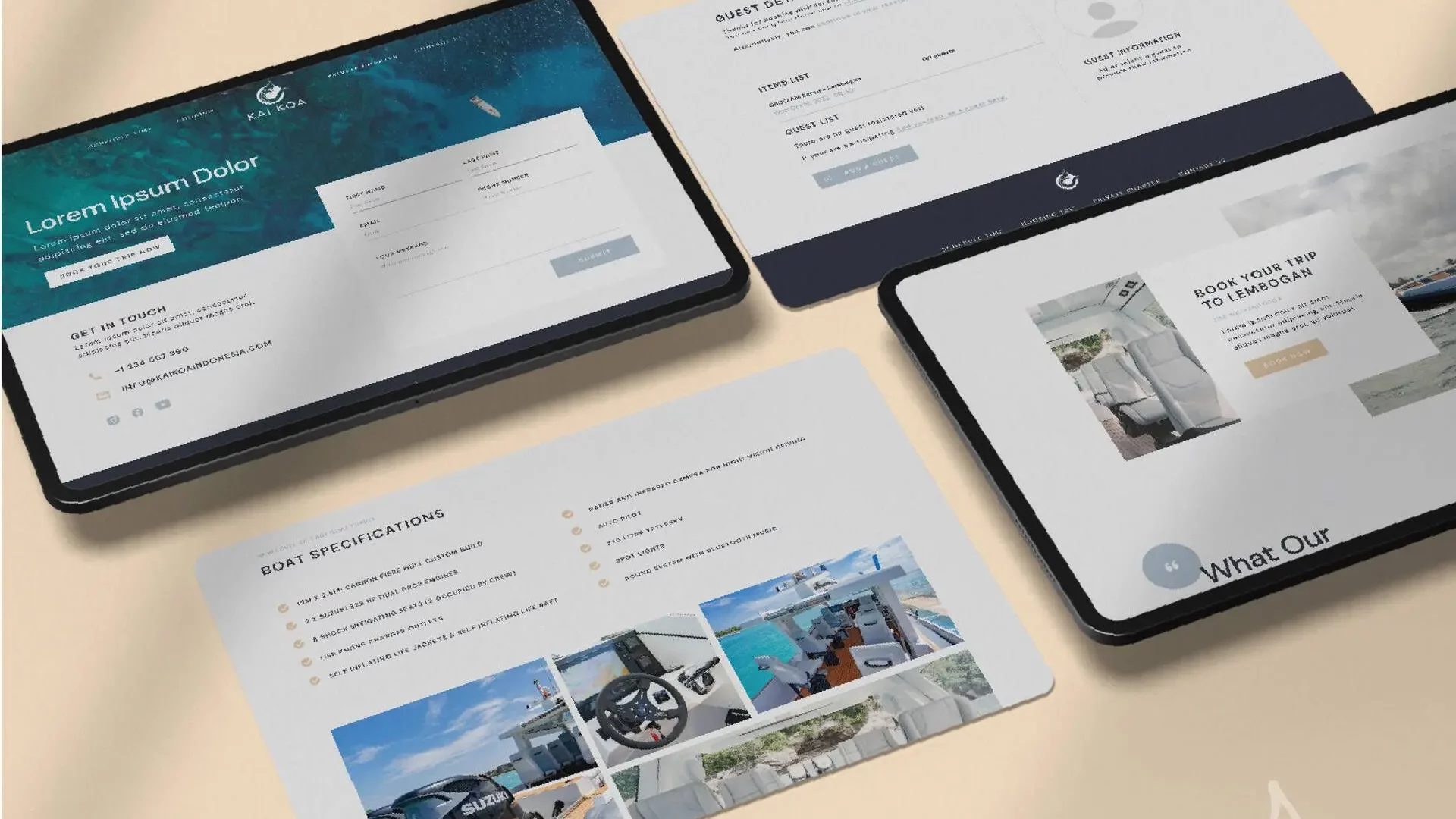
For brands in competitive markets like hospitality, real estate, and food and beverage, an integrated agency is a real advantage. A resort villa, for example, needs SEO, multilingual content, immersive virtual tours, and paid campaigns that all work as one system, coordinated across seasons and source markets.
That’s the case for an integrated approach in general: a consistent strategy from first impression through to final booking tends to outperform a patchwork of specialists working in isolation.
Bringing Your Marketing Under One Roof
The fastest-growing brands in 2026 aren’t the ones running the most tactics. They’re the ones running them together. A full service digital agency brings your entire marketing effort under one roof, spanning the full suite of services from branding to CRM, so your brand can grow with a clear, coordinated strategy instead of scattered, disconnected efforts.
Frequently Asked Questions
What is a full service digital agency?
A single agency that handles all of your digital marketing (strategy, branding, web, SEO, ads, content, social, and CRM) through one integrated team, rather than separate specialists.
How much does a full service digital agency cost?
It varies by scope, from monthly retainers to project-based fees. The value is in consolidation: one partner is often more cost-effective than managing multiple vendors, and the results tend to be more coordinated.
Full-service agency or individual specialists?
For most growing brands, full-service wins out. Specialists can excel at one channel, but a full-service agency aligns every channel toward the same goal, which usually improves ROI and reduces the management burden.
Do full-service agencies handle AI SEO (GEO/AEO)?
The good ones do. Modern agencies now optimize content to be cited by AI answer engines like Google’s AI Overviews and ChatGPT, not just to rank in traditional search.